
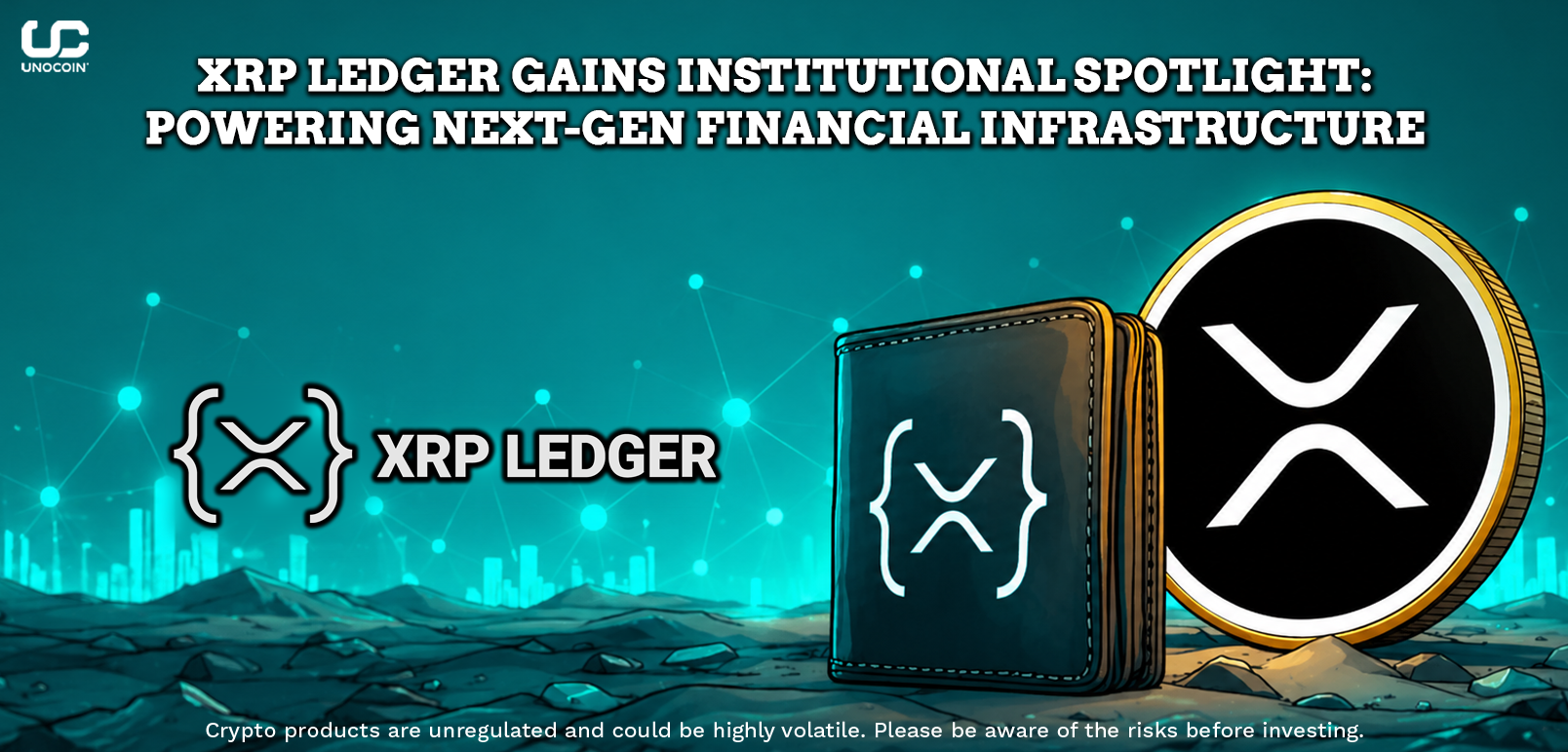
The XRP Ledger is undergoing one of the most significant transformations in the digital asset space. Once known primarily for enabling fast and cost-efficient cross-border payments, XRPL is now evolving into a full-fledged Institutional DeFi Operating System. As of early 2026, this shift is no longer theoretical—it is actively reshaping how financial institutions interact with blockchain infrastructure.
This year is increasingly being recognised as a tipping point for “institutional adoption at scale,” with XRPL at the centre of this transition. The network is moving beyond speculative use cases and positioning itself as a backbone for real-world financial applications, from tokenised assets to compliant decentralised finance.
Institutional Adoption Accelerates
Momentum around XRP is being driven by a clear rise in institutional participation. By early 2026, institutional allocation to XRP is projected to reach nearly 25%, up significantly from the beginning of the year. This reflects growing confidence among asset managers, hedge funds, and financial institutions that are beginning to see XRP not just as a digital asset but as a strategic financial instrument.
A major milestone in this journey has been the success of spot XRP exchange-traded funds (ETFs). These products have already attracted over $1.5 billion in inflows within the first quarter of 2026. Notably, Goldman Sachs has disclosed a substantial position in XRP ETFs, signalling increasing acceptance from traditional finance. Such developments are reinforcing XRP’s credibility as an investable asset class within institutional portfolios.
A Strategic Pivot Toward Financial Infrastructure
The 2026 roadmap for XRPL highlights a decisive pivot—from a payments-focused protocol to a comprehensive financial infrastructure layer. The network is now prioritising capabilities that enable tokenisation, stablecoins, and decentralised liquidity.
Stablecoin integration, including Ripple’s RLUSD initiative, is helping bridge the gap between fiat and blockchain ecosystems. At the same time, XRPL is expanding its support for tokenised assets, allowing institutions to issue and manage digital representations of real-world financial instruments directly on-chain.
This evolution marks a critical shift: instead of simply moving money across borders, XRPL is becoming a platform where financial products are created, traded, and settled.
Native Lending and Yield Opportunities
One of the most notable innovations is the introduction of a native lending framework under the XLS-66 proposal by Ripple. This infrastructure is designed specifically for regulated institutions, enabling them to lend, borrow, and generate yield within a compliant blockchain environment.
This development positions XRP as more than just a transactional asset. It opens the door for XRP to be used as a yield-generating treasury asset, allowing institutions to deploy capital efficiently while maintaining exposure to blockchain-based returns.
Permissioned DeFi: Bridging TradFi and Blockchain
A key barrier to institutional adoption in DeFi has always been regulatory compliance. XRPL is addressing this through the introduction of permissioned domains on its decentralised exchange (DEX). These domains allow participants to meet KYC and AML requirements, ensuring that only verified entities can access certain financial products.
This approach creates a hybrid model—combining the efficiency of decentralised systems with the compliance standards required by traditional finance. It is a crucial step in bringing large-scale institutional capital on-chain without compromising regulatory frameworks.
Tokenisation and Real-World Asset Growth
Tokenisation is rapidly emerging as one of XRPL’s strongest value propositions. By early 2026, tokenised real-world assets (RWAs) on the network will have surpassed $474 million in value. These include assets such as bonds, funds, and structured financial products.
The launch of Multi-Purpose Tokens (MPTs) further enhances XRPL’s flexibility, enabling institutions to design complex financial instruments tailored to specific use cases. Partnerships with firms like Aviva Investors highlight growing interest in bringing traditional investment products onto blockchain rails.
Expanding Institutional Ecosystem
The XRPL ecosystem is being strengthened by collaborations with major global players. SBI Holdings continues to expand XRP-powered remittance solutions while exploring integrations into securities and foreign exchange platforms in Japan.
Meanwhile, Mastercard is working to connect its payment network with XRPL, aiming to enable near-instant settlement for global transactions. Venture firms like Franklin Templeton and Pantera Capital are also actively supporting projects building on XRPL, further accelerating innovation.
Technical Advancements Powering the Future
XRPL’s transformation is backed by a series of critical technical upgrades. Native oracle integrations, powered by solutions like Band Protocol, provide reliable on-chain data feeds essential for asset pricing and DeFi applications.
The introduction of decentralised identifiers (DIDs) allows for secure, self-sovereign identity management—an essential feature for permissioned financial ecosystems. Additionally, features like AMM clawback mechanisms address compliance needs by enabling fund recovery in specific regulatory scenarios.
Looking ahead, Ripple has also outlined a roadmap to make XRPL quantum-resistant by 2028, ensuring long-term security for institutional use cases.
The Road Ahead
The evolution of the XRP Ledger reflects a broader shift within the crypto industry—from speculation to real-world utility. With strong institutional backing, expanding infrastructure, and a focus on compliance, XRPL is positioning itself as a key player in the future of finance.
As 2026 unfolds, the network’s ability to bridge traditional finance with decentralised systems will determine how far this transformation can go. What is clear, however, is that XRPL is no longer just part of the conversation—it is helping define the next phase of global financial infrastructure.
Please find the list of authentic Unocoin accounts for all your queries,
links: linktr.ee/unocoin
Disclaimer: Crypto products are unregulated and could be highly volatile. Please be aware of the risks before investing. To ensure that consumers who deal in crypto products are not misled, they are advised to DYOR (Do Your Own Research)