

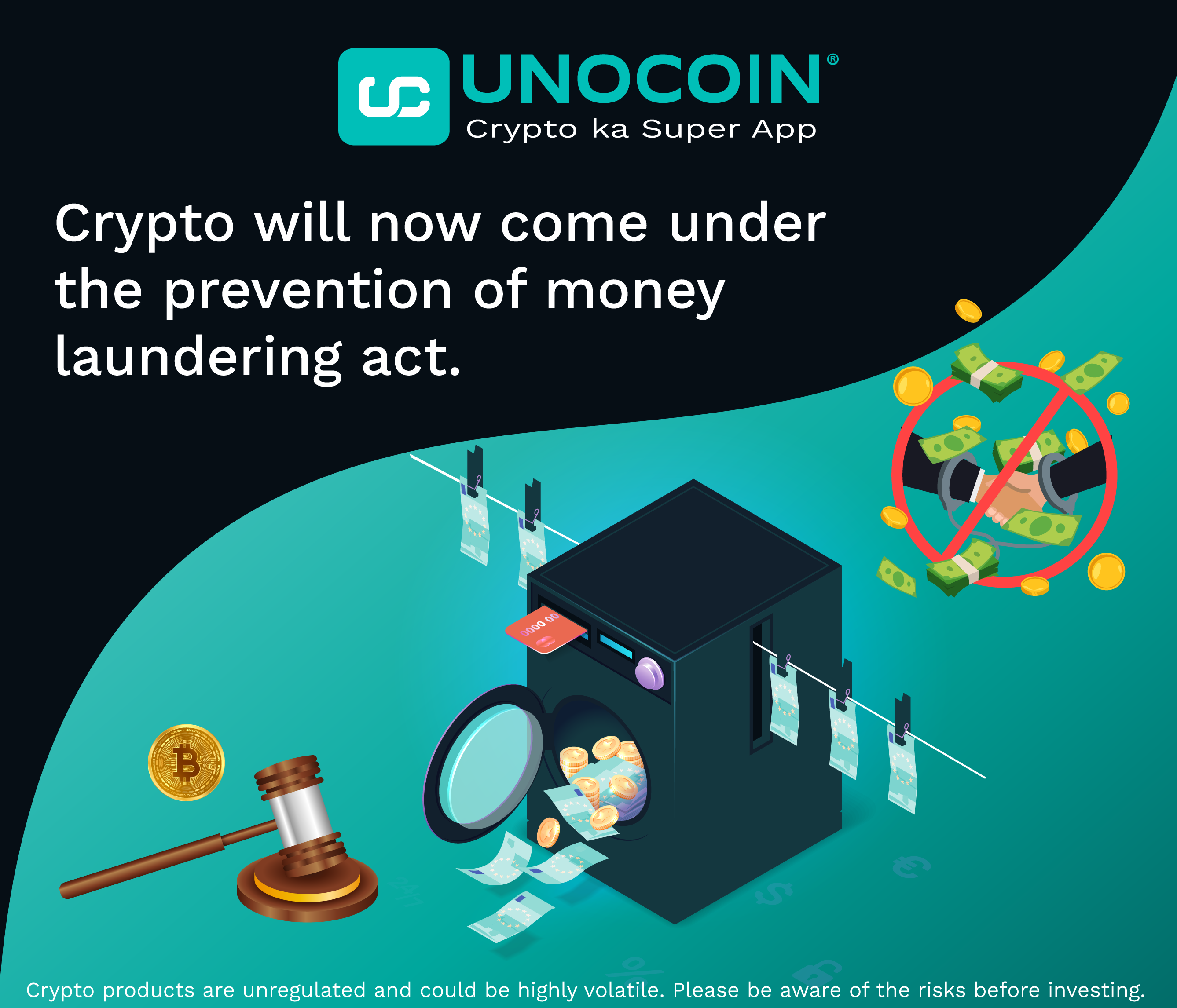
The government’s decision to bring cryptocurrency transactions under the Prevention of Money Laundering Act (PMLA) is a significant step toward curbing illicit financial activities.
Cryptocurrencies are a topic of discussion for regulators and policymakers around the world due to their decentralized and anonymous nature. The lack of regulation in the cryptocurrency market has made it an attractive option for money launderers and other criminals to engage in illegal activities.
The Indian government’s announcement that all crypto businesses will fall under the Prevention of Money Laundering Act 2022 is a major step forward in regulating the industry. Under this new framework, crypto businesses will be required to implement and report on a range of measures, including
- Know Your Transactions (KYT)
- Transaction monitoring and reporting
- Address screening and reporting
- Suspicious Activity Reports (SARs)
- Suspicious Transaction Reports (STRs)
These measures are aimed at preventing money laundering and other illegal activities in the crypto space. This move is likely to boost investor confidence in the industry while ensuring greater accountability and transparency for crypto businesses operating in India.
By introducing cryptocurrency transactions under the PMLA, the government can ensure that cryptocurrency transactions are subject to the same level of scrutiny and regulation as traditional financial transactions. This will help in identifying and preventing any suspicious transactions and prosecuting those involved in money laundering.
However, it is important to note that cryptocurrency transactions are not inherently illegal or used for illegal activities. Many legitimate businesses and individuals use cryptocurrencies for various purposes, such as investing or paying for goods and services. Therefore, it is important for the government to strike a balance between regulating the cryptocurrency market and ensuring that it does not hinder innovation or legitimate use cases for cryptocurrencies. The Indian government’s recent decision to list cryptocurrency transactions under the Prevention of Money Laundering Act (PMLA) has been welcomed by industry experts as a positive step to regulate the cryptocurrency market. The announcement reflects the government’s intention to regulate the virtual currency/digital asset (VDA) space rather than imposing an outright ban, which has been a major concern for crypto investors in India. However, the Reserve Bank of India (RBI) has been cautious about crypto assets and their potential risks, with RBI Governor Shaktikanta Das saying that investing in cryptocurrencies was akin to gambling and could undermine the power of the central bank. Despite this, the Indian government, which currently chairs the G20, is pushing for a joint global effort to regulate VDAs and mitigate potential risks.
Please find the list of authentic Unocoin accounts for all your queries below:
- YouTube Channel: https://www.youtube.com/c/Unocoin/videos
- Newsletter: https://medium.com/subscribe/@Unocoin_growth
- Blogs: https://blog.unocoin.com
- Instagram: https://www.instagram.com/unocoin/
- Twitter: https://twitter.com/Unocoin
- Facebook: https://www.facebook.com/unocoin/
- LinkedIn: https://in.linkedin.com/company/unocoin
- Telegram Group: https://t.me/Unocoin_Group
- Telegram Channel: https://t.me/+fasQhTKBsfA5N2Zl
- Telegram: https://t.me/UnocoinSupport_Bot
- E-mail id: [email protected]
- Contact details: 7788978910 (09:30 AM IST – 06:30 PM, Mon – Sat)
- App store link: https://apps.apple.com/us/app/unocoin/id1030422972?ls=1
- Playstore link: https://play.google.com/store/apps/details?id=com.unocoin.unocoinwallet
Disclaimer: Crypto products are unregulated as of this date in India. They could be highly volatile. At Unocoin, we understand that there is a need to protect consumer interests as this form of trading and investment has risks that consumers may not be aware of. To ensure that consumers who deal in crypto products are not misled, they are advised to DYOR (Do Your Own Research).